As urbanization accelerates globally, the demand for efficient and eco-friendly infrastructure solutions has never been higher. Among these solutions, plastic pipes have emerged as a critical innovation within the construction industry. Traditional materials often fall short in terms of longevity and eco-sustainability, leading to significant problems such as leaks and costly repairs. Plastic pipes address these pain points, providing a reliable and versatile alternative that can be effectively utilized in both residential and commercial settings.
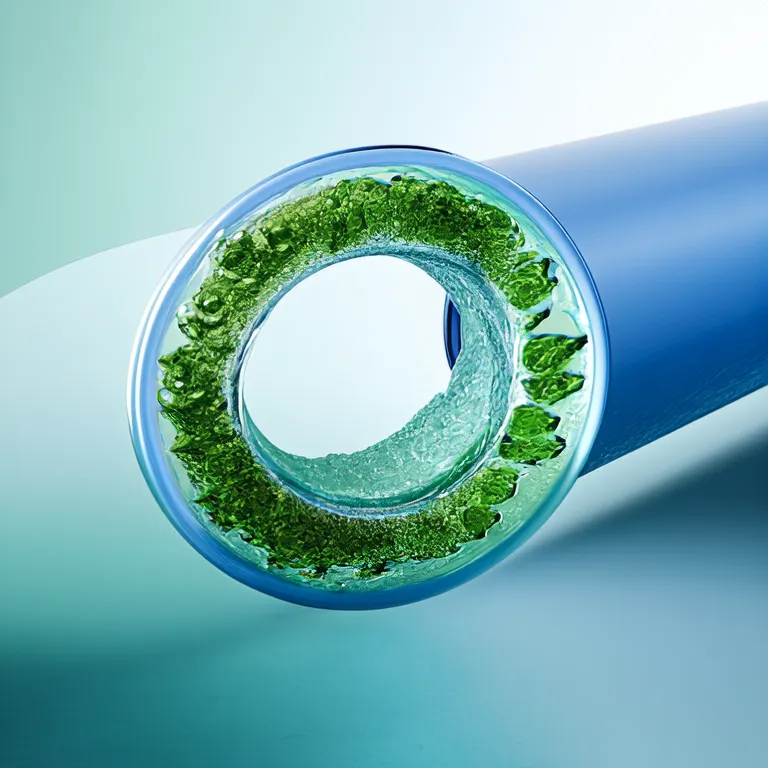
Definition of Plastic Pipes
Plastic pipes are hollow cylinders made from synthetic materials, primarily polyethylene (PE), polyvinyl chloride (PVC), and polybutylene (PB). These materials are categorized by their polymer composition and their unique properties, such as flexibility and corrosion resistance. For example, PVC is widely acknowledged for its rigidity and resistance to chemicals, making it suitable for various plumbing applications. A study by the Plastics Pipe Institute highlights that over 90% of municipal water systems utilize plastic piping due to its durability and low maintenance requirements.
Application Scenarios for Plastic Pipes
Plastic pipes are utilized across numerous sectors, including:
- Water and Wastewater Management: Used for drinking water distribution and sewage systems due to their resistance to corrosion and reduced weight, which makes installation straightforward.
- Agricultural Irrigation: They help in effective water delivery systems, conserving water by minimizing evaporation losses.
- Telecommunications: Employed in the installation of fiber optic cables, plastic conduits facilitate signal transmission without interference.
- Construction: Commonly used in drainage systems and underfloor heating, providing high thermal efficiency.
Advantages of Plastic Pipes
The importance of plastic pipes can be elucidated through several key advantages:
-
Durability: Research indicates that plastic pipes can last up to 100 years under normal usage conditions, compared to metal pipes which generally have a lifespan of only 50 years.
-
Cost-Effectiveness: Considering installation costs, plastic pipes have been shown to reduce overall project expenditures by up to 30%, mainly due to their lightweight and ease of installation.
-
Eco-Friendliness: Plastic pipes have a lower carbon footprint in production compared to traditional materials, with studies showing up to 60% less greenhouse gas emissions during manufacturing.
-
Flexibility: Their inherent flexibility allows for easier handling and installation, resulting in quicker project completion times; projects utilizing plastic pipes have been documented to finish 25% faster than ones using steel.
Conclusion: Your Next Steps
With the ongoing advancements in construction materials and techniques, understanding how plastic pipes can enhance project efficiency is crucial. For practical applications and comprehensive usage guidelines, consider exploring further resources or consult a professional for insights tailored to your specific needs.
FAQ
Q1: Why should I choose plastic pipes over traditional materials?
A1: Plastic pipes offer significant advantages, including reduced installation costs, enhanced durability, and lower environmental impact.
Q2: Are there any limitations to using plastic pipes?
A2: While plastic pipes are versatile, they may not be suitable for high-temperature applications, which can lead to deformation.
Q3: How can I ensure the quality of plastic pipes in my project?
A3: Always source plastic pipes from reputable suppliers and check for certifications that meet industry standards.
Call to Action
To gain further insights into plastic pipe technologies and how they can elevate your projects, we recommend exploring additional resources and trialing the latest products from Success, a leader in eco-friendly construction materials.


