In the age of modern construction, plastic pipes are revolutionizing plumbing and infrastructure by providing reliable, durable, and cost-effective solutions. Homeowners and contractors often face common pain points like corrosion, leaking joints, and extensive installation time with traditional materials like copper or galvanized steel. Plastic pipes, particularly those made from PVC (Polyvinyl Chloride) or PEX (Cross-Linked Polyethylene), offer a remedy to these issues. By mitigating risks associated with rusting and significantly reducing installation time, plastic pipes have become a preferred choice for various applications.
Understanding Plastic Pipes
Plastic pipes are synthetic tubes used for various applications, including water distribution, drainage, and gas delivery. Common types include PVC, PEX, and HDPE (High-Density Polyethylene). According to the Plastics Pipe Institute, the usage of plastic pipes has resulted in a 30% decrease in installation costs and a 50% reduction in labor time compared to traditional metal counterparts.
Moreover, the importance of understanding plastic pipe properties comes from their varying specifications such as pressure ratings and thermal conductivity. PVC pipes, for instance, are lightweight and have a pressure rating of up to 400 psi, making them ideal for residential water systems.
Applications of Plastic Pipes
Plastic pipes are ubiquitous in modern infrastructure. They are extensively used in:
- Residential plumbing: Providing safe drinking water and efficient drainage systems.
- Irrigation: Ensuring crops receive necessary water with minimal leakage.
- Sewage systems: Offering sustainable options for waste disposal and management.
- Industrial applications: Conveying chemicals safely due to their corrosion-resistant properties.
Recent studies indicate that nearly 75% of new construction projects in urban areas incorporate plastic piping for eco-friendliness and efficiency.
Advantages of Plastic Pipes
The significance of plastic pipes in modern construction cannot be overstated. Key advantages include:
- Durability: Plastic pipes are resistant to corrosion and biofouling, leading to a longer lifespan. PVC and PEX can last over 50 years when properly installed.
- Ease of Installation: Lightweight and flexible, plastic pipes can be cut, shaped, and fitted easily, reducing installation times by up to 70%.
- Cost Efficiency: With a 30% to 50% reduction in both material and labor costs, they provide significant savings for builders and homeowners alike.
- Environmental Impact: Plastic pipes can help conserve water, with studies showing they reduce system leaks by up to 40% compared to metal pipes.
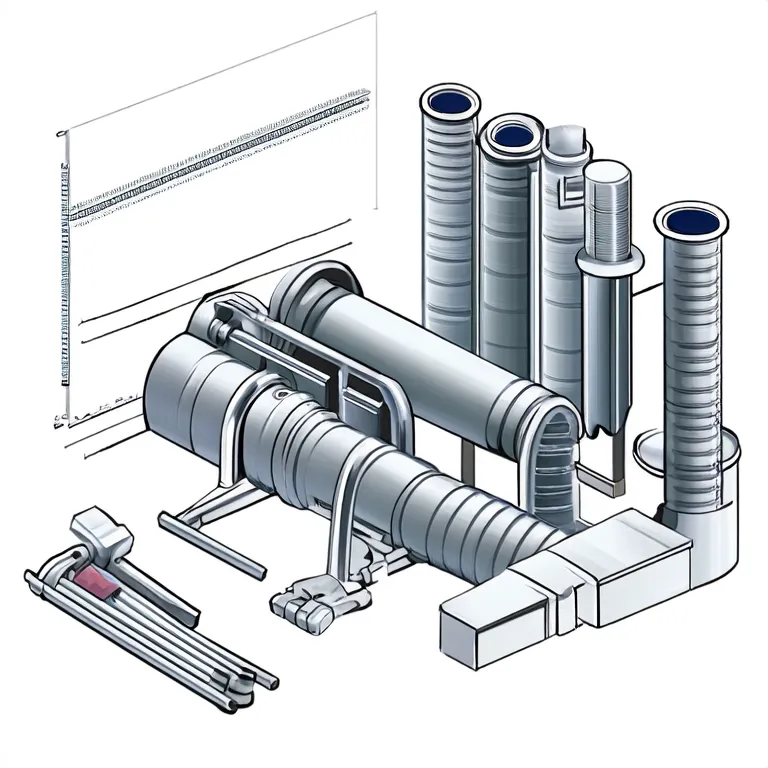
Next Steps: Read Our Installation Guide
For anyone considering the transition to plastic pipes, understanding the installation intricacies is paramount. Check out our detailed installation guide that will navigate you through the best practices for ensuring maximum efficiency and longevity of your plastic piping system.
FAQs About Plastic Pipes
-
Are plastic pipes safe for drinking water?
Yes, certified PVC and PEX pipes are safe for drinking water as they do not leach harmful substances.
-
Can plastic pipes withstand high temperatures?
PVC can handle temperatures up to 140°F, while PEX can withstand up to 200°F, making them suitable for most residential hot water applications.
-
Do plastic pipes expand or contract?
Yes, plastic pipes can expand or contract with temperature changes; appropriate fittings and allowances should be accounted for during installation.
Call to Action
If you’re looking for a reliable and cost-effective solution for your plumbing needs, consider the advantages of using plastic pipes. For more insights and expert tips, visit our brand Success or download our comprehensive plastic pipe installation guide today!


